
The next time you’re watching the next international flick on Netflix or some other streaming service, think about the effort to translate the original script to English subtitles: idioms must be understood (which is impossible at times), the intent of the message has to be clear, the tone must be consistent, and the resulting translations must be short enough to read.
When corners get cut during the translation process, the mistakes made become impossible to miss. Let’s explore some mistakes that big brands have made and what makes machine translations far inferior to human ones.
When Translations Go Wrong
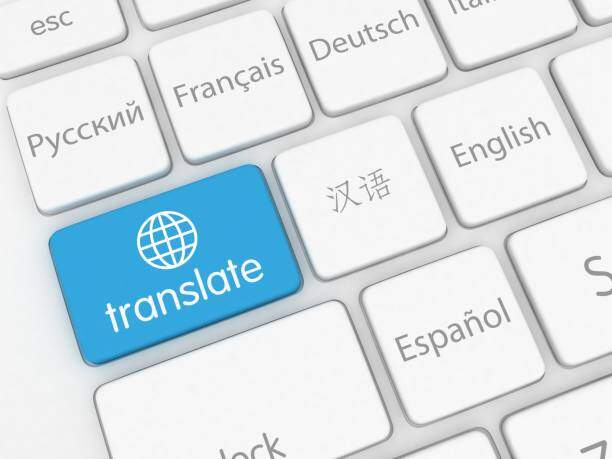
While translations can be done with a click of the Google Translate button, the accuracy of such translations can be devastating. Take, for example, the United States Dairy Association (USDA). Their slogan, “Got Milk” was extremely successful decades ago and really did get people to drink more milk. In fact, those who’ve seen the ads are probably thinking of all the celebrity milk mustaches!
However, it had the opposite effect on the Spanish-speaking demographic. When translating “Got Milk” into Spanish, “¿Tienes Leche?” was the final translation, translating to “Are You Lactating?” This was offensive not only to Spanish speakers but also to women and people who knew of women having difficulties with producing breast milk. The Spanish translation oversight was a bad look for the USDA and did some serious damage to milk sales.
Even mistaking your target audience, as Marriott did in China, can be costly. You must not only respect the culture but also the political landscape of each country, which further complicates marketing campaigns.
Obviously, not every incorrect translation is as devastating as the USDA or Marriott example. Poor translations can cause a slight disconnect with your customers, leading to missed opportunities. Fortunately, poor translations can be easily fixed with the right human intervention. The USDA could have easily collaborated with a native Spanish speaker to prevent “¿Tienes Leche?” from being their Spanish slogan.
Machine Versus Human Translations
Machine translations use probability to predict the most likely translations, whereas human translations rely on human judgment. Perhaps machine translations were the reason why the USDA faced the issues that it did.
Regardless, machine translations are extremely accurate when translating shorter sentences that require no context, saving a lot of time and effort. Natural language processing and GenAI have advanced machine translation and can demonstrate accuracy for these more complex translations that require context. The challenge for both is when styling is needed, which is an important factor for any brand. These models converge on optimal answers, which become generic because everyone else uses the same models.
As far as quality goes, human translations are the superior choice, allowing businesses to maintain their brand, control accuracy, and messaging.
Getting Translations Right the First Time
Choosing the right translation approach is about protecting your brand and ensuring your message resonates exactly as intended. Although machine translations offer speed, they lack the cultural nuances needed to navigate social and political landscapes, helping avoid costly PR disasters down the road. Human translations remain the tried-and-true way to capture the brand that probability-based models often miss.
Reach out to Uplancer to get started on your free translation consultation today.